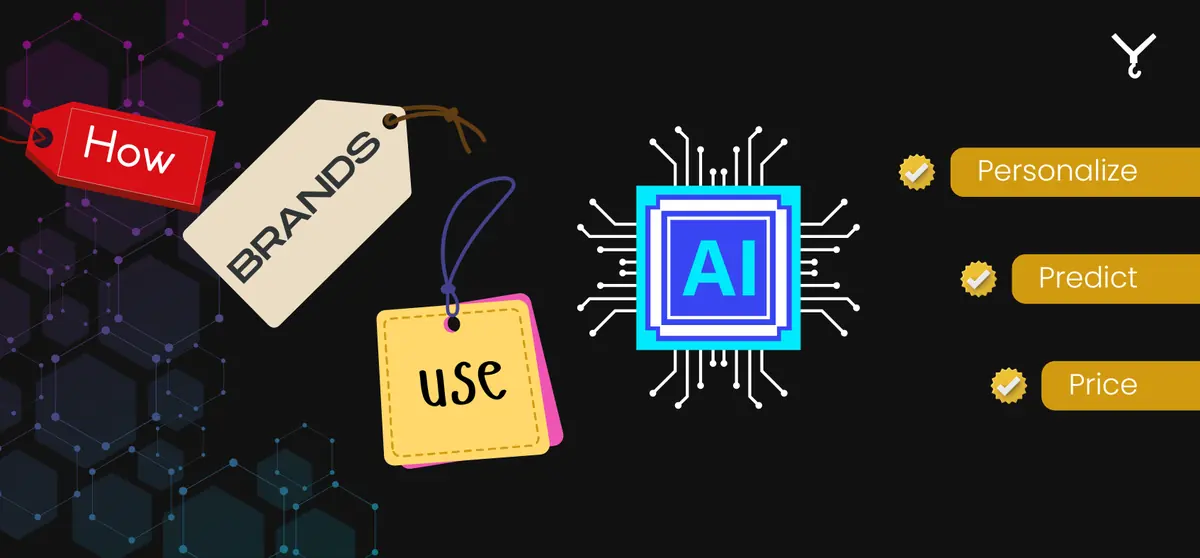
AI isn’t replacing taste; it’s upgrading it. The smartest brands are using AI to predict demand, personalize discovery, fix sizing drama, and cut waste; so you see fewer flop fits and more “add to cart” that actually makes sense.
Quick Map (what’s changed)
- Discovery → conversational + visual. Search like you talk (or snap a pic), get a shortlist that feels curated for you.
- Fit → less guesswork. Size/fabric recos based on what worked for people like you, not just a letter on a tag.
- Supply chain → fewer “50% off” piles. Forecasting + RFID means make what sells, where it sells.
- Pricing → dynamic (for real). Promotions tuned by AI - good for deals, controversial when it surges.
WHAT BRANDS ARE DOING DIFFERENTLY:
Hyper-personal discovery (goodbye, doom-scroll)
- Zalando rolled out an AI assistant + discovery feed to help shoppers talk to the catalog and get better finds, not bigger lists.
- Shopify bought an AI search startup (Vantage Discovery) so every indie brand can offer smarter, more personal results.
- Pinterest acquired The Yes to bring “yes/no” taste-training into shopping. Think “your FYP, but for clothes.”
- Stitch Fix leans human-in-the-loop + gen-AI to visualize outfit ideas while stylists stay in charge.

Fit, try-on & size prediction (save the returns)
- Zara has tested virtual try-on and AR to help you preview drape/silhouette before buying.
- Many retailers blend visual search + reviews + returns data to recommend sizes that actually land. (See also Stitch Fix’s style cards.)
Supply-chain brains (less waste, faster hits)
- Inditex/Zara’s RFID + integrated stock systems track items from factory to floor to match supply with real demand… Hello, fewer stockouts and overstocks.
- H&M is pushing AI across stores + digital to align assortments and speed decisions amid Shein/Temu pressure

Digital models & content at scale (spicy… but handle with care)
- H&M has experimented with AI “digital twins” to scale creative while stating they’re a supplement, not a replacement.
- Levi’s tested AI models with Lalaland.ai and got backlash. Proof this space needs clear ethics and real representation.
Pricing & promos (transparent or it gets messy)
- Debenhams Group (formerly Boohoo Group) is using AI to optimize pricing/promos in real time; great for clearing inventory, touchy if it feels like surge pricing.
- LVMH’s MaIA platform runs millions of internal AI requests - supporting planning, creative, and pricing decisions across 75 brands.
CHEAT SHEET: ONLINE VS IRL (AI EDITION)
Your need
What AI helps with
Where it shines
Find my vibe fast
Chat/search that understands style language
Marketplaces using AI assistants and smart feeds
Right size, first time
Fit prediction from reviews/returns
Big retailers with virtual try-on pilots
No flop trends
Trend signals from saves/sell-through
Retailers with data + RFID loops
Fair price
Dynamic promos/markdowns
Transparent AI-priced sites (watch policies)
FINAL NOTE FOR BRANDS:
- Be transparent (what’s AI-assisted, what’s human), especially with models and pricing.
- Keep humans in the loop (stylists, merchandisers). It’s taste, not just math.
- Close the loop with RFID and real-time stock - less waste, faster recuts.
AI is already DJ-ing the fashion party. The vibe is great when it’s useful + transparent. The minute it hides the rules, the room turns.